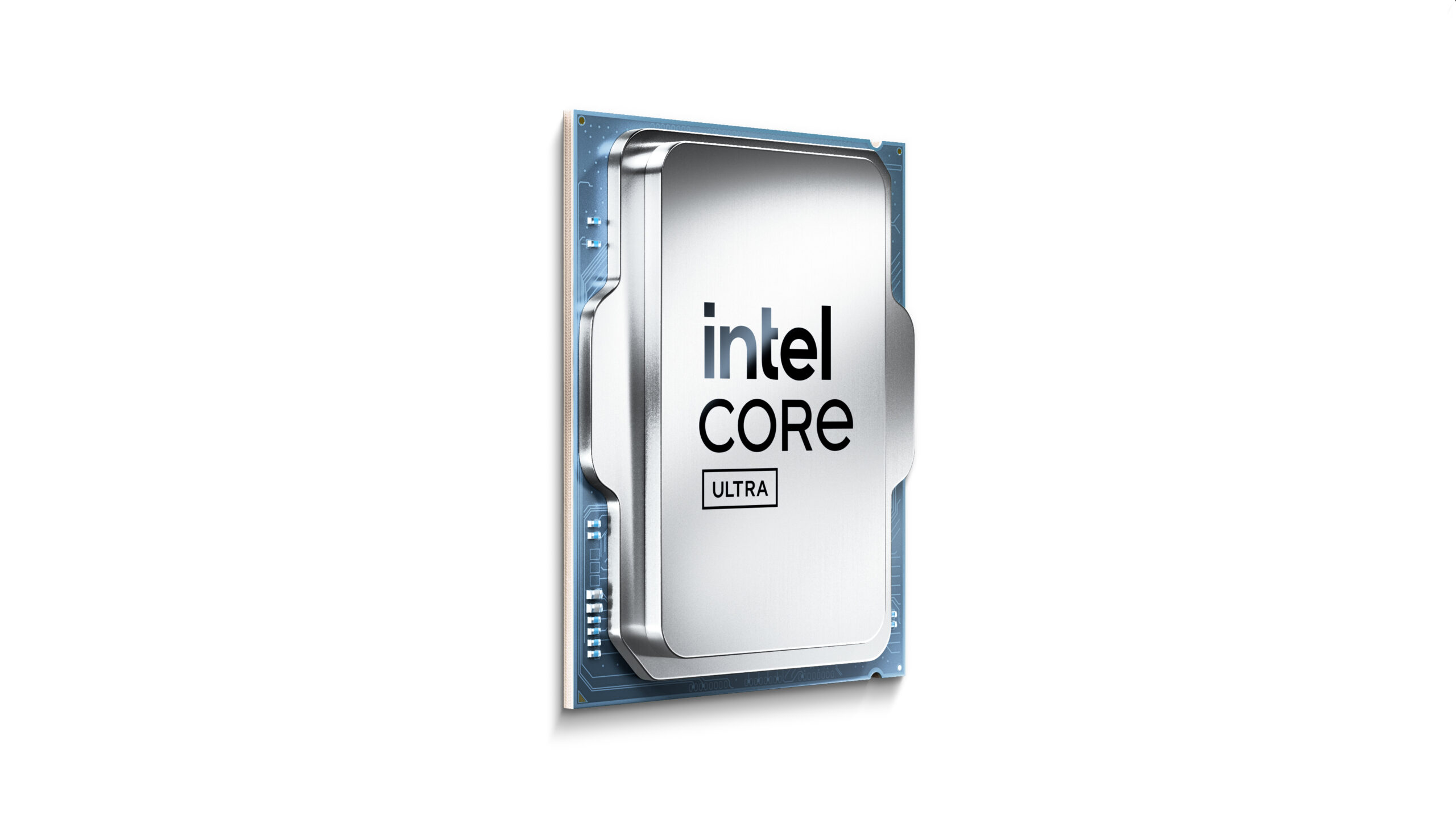
Core Ultra 9 285K
Core i7-14700K
Core Ultra 9 285K vs Core i7-14700K
Which processor should you buy in 2026? Full spec comparison and analysis.
Our Pick: Core i7-14700K
The Core i7-14700K wins this matchup with better value for money, lower price ($419 vs $589). At $419, it's also the more affordable option.
Performance Overview
Overall Performance
Gaming
Value for Money
Specifications Comparison
| Specification | Core Ultra 9 285K | Core i7-14700K |
|---|---|---|
| MSRP | $589 | $419Win |
| Cores | 24Win | 20 |
| Threads | 24 | 28Win |
| Base Clock | 3.7GHzWin | 3.4GHz |
| Boost Clock | 5.7GHzWin | 5.6GHz |
| Total Cache | 76MBWin | 61MB |
| TDP | 125W | 125W |
| Socket | LGA 1851 | LGA 1700 |
| Architecture | Arrow Lake | Raptor Lake Refresh |
| Process Node | 3nmWin | 10nm |
| Integrated Graphics | Intel Arc (Xe-LPG) | Intel UHD 770 |
| Memory Support | DDR5-5600 | DDR5-5600 / DDR4-3200 |
| PCIe Lanes | 20 | 20 |
| Unlocked | Yes | Yes |
| Benchmark Score | 93/100Win | 74/100 |
| Gaming Score | 78/100Win | 76/100 |
| Value Score | 42/100 | 65/100Win |
| $/Gaming PointMSRP ÷ Gaming Score · Lower is better | $7.55 | $5.51Win |
Frequently Asked Questions
Is the Core Ultra 9 285K better than the Core i7-14700K?
The Core i7-14700K comes out ahead. It scores 74/100 in multi-threaded workloads and 76/100 in gaming versus 93/100 and 78/100 for the Core Ultra 9 285K. The Core Ultra 9 285K features 24 cores/24 threads on Arrow Lake while the Core i7-14700K has 20 cores/28 threads on Raptor Lake Refresh. Cache sizes differ significantly too: 76MB vs 61MB, which directly impacts gaming frame rates.
Which is the better value, Core Ultra 9 285K or Core i7-14700K?
The Core Ultra 9 285K costs 41% more for about 26% more performance. The Core i7-14700K at $419 offers noticeably better performance per dollar. Our value scores reflect this: Core Ultra 9 285K gets 42/100 and Core i7-14700K gets 65/100. If you are building on a tighter budget, the Core i7-14700K at $419 is the smarter buy. If you can stretch to $589 and want the extra performance, the Core Ultra 9 285K justifies its price for demanding workloads.
Core Ultra 9 285K vs Core i7-14700K for streaming and content creation?
For streaming and content creation, core/thread count and multi-threaded performance matter most. The Core Ultra 9 285K (24C/24T, benchmark score 93/100) outperforms the Core i7-14700K (20C/28T, 74/100) in multi-threaded rendering and encoding. Both have enough cores to handle gaming plus OBS streaming simultaneously. For pure productivity tasks like video editing and 3D rendering, the higher benchmark score translates directly to faster export times.
Core Ultra 9 285K vs Core i7-14700K -- which is better for gaming?
Gaming performance depends heavily on cache and single-thread speed. The Core Ultra 9 285K (5.7GHz boost, 76MB cache) scores 78/100 in gaming versus the Core i7-14700K's 76/100 (5.6GHz, 61MB cache). The Core Ultra 9 285K's higher gaming score reflects better real-world frame rates across AAA and esports titles.
What GPU should I pair with the Core Ultra 9 285K or Core i7-14700K?
The Core Ultra 9 285K (gaming score 78/100) pairs well with a RTX 5070 Ti, RTX 5070, or RX 9070. The Core i7-14700K is best matched with a RTX 5070 Ti, RTX 5070, or RX 9070. Pairing a high-end CPU with a mid-range GPU (or the reverse) creates a bottleneck that wastes money. Match the CPU tier to the GPU tier for the best overall experience.
Is the Core i7-14700K worth it in 2026?
The Core i7-14700K is still a strong choice in 2026. Its 20-core/28-thread configuration on Raptor Lake Refresh handles modern games and productivity workloads well. While the LGA 1700 platform is mature, prices have dropped and the ecosystem is well-proven. At $419, it is a premium pick justified by top-tier performance.
Should I wait for next-gen or buy the Core i7-14700K now?
The Core i7-14700K at $419 is a strong value right now. Both AMD Zen 5 and Intel Arrow Lake are available, so the current generation covers every modern workload well. Buying now gets you gaming and working today rather than waiting for incremental future gains.
Do the Core Ultra 9 285K and Core i7-14700K use the same motherboard?
The Core Ultra 9 285K uses the LGA 1851 socket while the Core i7-14700K uses LGA 1700. These use different sockets, so they require different motherboards. This means switching from one to the other is a platform change -- you will need a new board and potentially new RAM. The Core Ultra 9 285K supports DDR5-5600 memory and the Core i7-14700K supports DDR5-5600 / DDR4-3200.